


Overheating in Bed: How Temperature Disrupts Deep Sleep
It is 3 am. You are awake, kicking off the duvet, flipping the pillow to the "cool side," and wondering why you can’t just stay asleep. If this sounds familiar, you are not alone. According to a 2024 survey by Dreams, 37% of British people cite being too hot as the primary reason for disturbed sleep, an 8.1% increase since 2022.
While we often blame stress or noise for a bad night's rest, the thermal environment of your bedroom is often the silent culprit. Overheating doesn't just make you uncomfortable; it fundamentally changes the architecture of your sleep cycle.
In this blog post, we will explore the science of thermoregulation sleep, why heat steals your restorative rest, and practical, British-made solutions to keep you cool and comfortable all night long.
How the Body Regulates Temperature at Night
To understand why do I overheat when I sleep, we first need to look at our biology. Your body’s internal clock, or circadian rhythm, is tightly synchronised with your core body temperature.
In the evening, your body naturally begins to cool down. This drop in temperature, usually by about 1°C, is a biological signal to your brain that it is time to sleep. This process is aided by vasodilation, where blood vessels in your hands and feet widen to release heat.
However, if your sleep environment is too warm, or your bedding traps that heat against your skin, this essential temperature drop is blocked.
Instead of drifting off, your body has to work overtime to cool itself down, keeping your heart rate elevated and your mind alert.
Why Heat Causes Restless Sleep
When you cannot shed excess heat, the quality of your sleep suffers immediately.
Research published in Nature Scientific Reports suggests that a deviation of just 1°C from an optimal climate is associated with a 16% increase in the likelihood of reporting sleep-related problems.
The Impact on Deep Sleep
The most damaging effect of sleep temperature problems is the reduction of Slow Wave Sleep (SWS), also known as deep sleep. This is the restorative stage where the body repairs tissue, strengthens the immune system, and consolidates memory.
When you are hot at night sleep, becomes fragmented. Your brain is forced to pull you out of deep sleep into lighter stages of sleep or full wakefulness to regulate your temperature.
These "micro-awakenings" might not fully wake you up, but they leave you feeling groggy and unrefreshed the next morning.
See also - The Science of Sleep: New 2026 Study Reveals Why British Wool is the Ultimate Bedding Material

Common Causes of Overheating
If you are constantly asking, "Why am I so hot?", several factors could be at play.
1. Hormonal Changes
Night sweats are a significant cause of sleep disruption, particularly for women. The NHS notes that night sweats affect approximately 70% of women during menopause. The Sleep Charity further highlights that up to 57% of women suffer from sleep disturbance during perimenopause and menopause. This internal heat spike makes breathable bedding not just a luxury, but a necessity.
2. The Wrong Mattress Materials
Many modern mattresses, particularly dense memory foam, rely on body heat to mould to your shape. While comfortable for pressure relief, standard memory foam can act as an insulator, trapping heat against your body.
3. Bedroom Environment
UK homes are often built to retain heat, which is excellent for winter but detrimental during a heatwave. The Sleep Charity and NHS guidelines recommend an ideal bedroom temperature of 16–18°C. Anything over 24°C generally causes restlessness.
See also - Andrew Huberman’s Temperature Trick: Why Cooling Your Body Helps You Fall Asleep Faster
Creating a Cooler Sleep Environment
You do not need to overhaul your entire bedroom to fix sleep overheating causes. By making smart adjustments to your setup, you can encourage better airflow and temperature neutrality.
Optimise Your Room Setup
- Ventilation: Keep windows slightly open where safe, or use a fan to circulate air. Moving air helps sweat evaporate from your skin, cooling you down.
- Block Day Heat: Keep blinds or curtains closed during the day to prevent your bedroom from heating up like a greenhouse.
Choose Breathable Bedding
The material you sleep on (and under) dictates how well your body can thermoregulate.
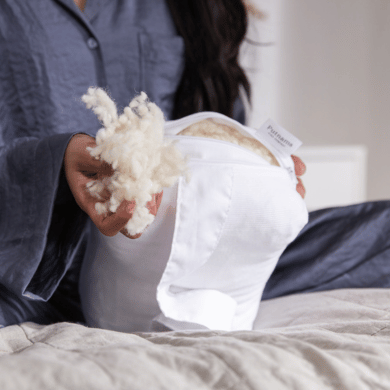
- Switch to Wool: Wool is nature's miracle fibre. Unlike synthetics that trap moisture, Putnams British Wool Duvets are naturally breathable and moisture-wicking. They manage the micro-climate around your body, keeping you cool when it’s hot and warm when it’s cold. Bangor University and British Wool 2026 study illustrates why woll in the ultimate bedding material in the 21st century.
- Cotton Sheets: Stick to high-quality cotton linens rather than polyester blends, which effectively wrap your body in plastic.
See also - Sleeping Through Seasons: Your Guide to Year-Round Comfort

FAQ Section
Does temperature affect deep sleep?
Yes, temperature plays a significant role in achieving deep sleep.
Your body needs to cool down slightly to enter the restorative stages of sleep, including deep sleep. If your environment is too warm or your bedding traps heat, it can prevent you from reaching these sleep stages, leading to restless nights and reduced quality of rest.
Can being too hot disrupt sleep?
Absolutely. Overheating can cause frequent awakenings, tossing and turning, and difficulty staying asleep.
Your body is highly sensitive to changes in temperature during sleep – a hot environment can impair thermoregulation, making it harder to settle into a deep and uninterrupted slumber. Switching to breathable materials, like wool duvets and cotton sheets, can help manage heat and improve comfort.
What is the 123 sleep rule?
The "123 sleep rule" is a simple guideline to enhance your sleep routine:
- Avoid consuming caffeine at least 1 hour before bed.
- Finish using screens (like phones or tablets) at least 2 hours before sleeping to reduce blue light exposure.
- End heavy meals or snacks 3 hours before bedtime to allow your body to focus on relaxation rather than digestion.
Can you wake up from deep sleep if it's too hot?
Yes, excessive heat can pull you out of deep sleep or even prevent you from entering it altogether.
Your body requires a drop in core temperature to achieve restorative sleep, and an overheated room or non-breathable bedding can disturb this process. Opting for cooling, breathable fabrics like those in Putnams British Wool Duvets can help regulate body temperature and encourage uninterrupted deep sleep.
How Temperature Affects Deep Sleep: The Bottom Line
-
Using lighter bedding layers you can adjust throughout the night
-
Choosing mattresses and toppers with proven cooling technologies like Coolmax®
-
Selecting natural, breathable materials that work with your body's thermoregulation
-
Maintaining consistent bedroom temperatures between 16–18°C
Take the Heat Out of a Good Night's Sleep
Take the first step to better sleep and stress relief. Explore our curated recommendations now, and turn your nights into restful, peaceful experiences.


From the blog
View all




Leave a comment