


Pillow Rotation Science: Does Flipping or Rotating Your Pillow Actually Improve Sleep?
You know the routine. You wake up at 2 AM, hot and uncomfortable. You flip your pillow to the "cool side," punch it a few times to get the shape back, and try to drift off again. For many of us, balancing busy careers and family life, these nightly interruptions are exhausting. We often blame stress or a busy schedule, but the culprit might be right under your head.
A recent Apple Watch study suggests that the right pillow can add up to 45 minutes of deep, restorative sleep to your night. But does simply rotating or flipping your current pillow achieve the same result?
We are diving into the science of pillow rotation, hygiene, and mechanics to help you decide if your current sleep setup needs a simple flip or a full upgrade.
Why Pillows Lose Support Over Time
Gravity is relentless.
Your head weighs approximately 4.5 to 5 kilograms. Every night, that weight compresses the materials inside your pillow. Over time, this constant pressure breaks down the structural integrity of the filling.
Whether you use feather, fibre, or foam, the material eventually succumbs to compression. This leads to a loss of "loft" (height). When a pillow loses loft, your neck is no longer supported in a neutral alignment.
Instead of a straight line from your spine to your head, your neck may dip or twist. This misalignment strains muscles and compresses joints, often leading to tension headaches and stiffness the next morning.
See also - How Often Should You Change Your Pillow? The Complete Guide.
Does Rotating Your Pillow Really Help?
The short answer is: yes, but with limitations.
Pillow rotation, turning the pillow 180 degrees so you sleep on the opposite edge, can help distribute wear and tear more evenly. If you always sleep on the same edge, that specific area will flatten much faster than the rest of the pillow. By rotating it weekly, you ensure the fill compresses evenly, potentially extending the pillow's lifespan.
Flipping the pillow serves a different purpose: temperature control. Science shows that a cooler sleep environment promotes deeper sleep. Flipping to the cool side can temporarily lower the temperature around your face and head, helping you settle back into a deep sleep cycle.
However, if the material inside is broken down, flipping won't restore the necessary support.
See also - Why It’s Worth Investing in a Quality Pillow for Better Sleep and Health
How Pillow Materials React to Compression

Not all pillows respond to rotation the same way. The material inside dictates how effective flipping will be.
Feather and Down
Feather pillows are notorious for flattening quickly. While you can "fluff" them to trap air and temporarily restore height, they offer poor resistance to compression during the night. Rotating them helps slightly, but they require constant adjustment.
Polyester and Microfibre
These are standard, budget-friendly options. However, the fibres tend to clump together over time. Rotating them might prevent a permanent dent in the centre for a few months, but once the fibres clump, no amount of flipping will fix the support.
Memory Foam and Latex
This is where pillow rotation becomes less about shape and more about maintenance. High-quality memory foam and graphite latex are designed to spring back to their original shape immediately. They don't require "fluffing." However, rotating a memory foam pillow is still good practice to ensure the cell structure of the foam wears evenly over years of use.
British Wool Pillows
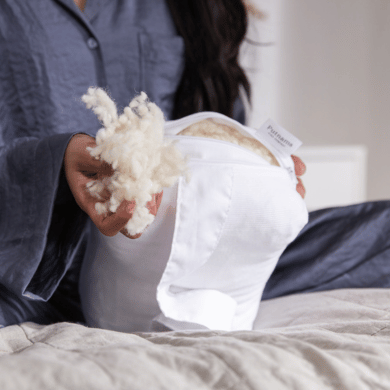
British wool pillows offer a unique combination of comfort and sustainability. Known for their breathability and temperature regulation, these pillows are ideal for those who want a natural and hypoallergenic option. Wool fibres naturally wick moisture away, keeping you cool in the summer and warm in the winter. To maintain their comfort and longevity, it’s helpful to fluff and reshape them regularly, as wool can sometimes compact over time. This simple step ensures they remain supportive and cloud-like for years to come. Additionally, turning and shaking your wool pillow every now and then can help redistribute the filling evenly.
Buckwheat Hull Pillows
Buckwheat hull pillows are a fantastic choice for individuals seeking adjustable, firm support tailored to their sleeping position. These natural pillows are filled with hulls that conform to the shape of your head and neck, promoting proper alignment and reducing strain.
One of their standout features is the ability to customise the filling, by adding or removing hulls, you can achieve the desired thickness and firmness. To care for your buckwheat pillow, simply rotate and air it out occasionally to prevent moisture build-up and maintain freshness. While they may feel a little different at first, many find the benefits, particularly for neck and back support, well worth the adjustment.
See also - Sleep Naturally: How Organic Bedding Can Transform Your Health
The Hygiene Factor: Bacteria, Oils & Allergens
We don't just compress our pillows; we contaminate them.
Every night, we shed skin cells and release sweat and oils. This creates an ideal breeding environment for dust mites and bacteria.
If you have had your pillow for a long time, it likely holds significant moisture and allergen buildup. This can trigger congestion and breathing issues, which are silent sleep disruptors.
Pillow hygiene is crucial for your health.
- Rotate/Flip: Helps air out the side you just slept on, reducing moisture retention.
- Wash: Pillowcases should be washed weekly.
- Protect: Use a zipped pillow protector to block sweat and oils from entering the core of the pillow.
See also - How Long Should Your Pillow Last? A Guide by Pillow Type
Signs It’s Time to Replace Your Pillow
Even with diligent rotation, every pillow has an expiration date. If you are waking up with neck pain or stiffness, your pillow has likely retired on you.
Here is a quick checklist to see if you need a replacement:
- The Fold Test: Fold your pillow in half. If it stays folded and doesn't spring back (for feather/fibre pillows), it is dead.
- The Lump Test: If the filling feels chunky or separated, it is no longer providing consistent support.
- The Pain Test: Frequent morning headaches or neck aches are red flags.
- The Age Test: If you have had a standard fibre pillow for more than two years, it is time to say goodbye. High-quality foam may last longer, often 3-5 years.
Knowing how often to replace a pillow saves you from long-term spinal issues. It is an investment in your health, not just a bedding purchase.
See also - What Your Sleep Position Says About Your Personality (According to Science… Sort Of)

Supportive Pillow Designs That Last Longer
If you are tired of buying cheap pillows that flatten in six months, it is time to look at materials engineered for longevity.
At Putnams, we focus on neck support pillow tips that actually work.
Our pillows use medical-grade, durable foam construction that resists flattening. Unlike loose fill that shifts around, our contoured designs hold their shape night after night, ensuring your spine remains aligned.
- Breathable Materials: Our foam and cover designs encourage airflow, reducing the need to constantly flip for a "cool side."
- Contour Stability: The ergonomic shape supports the natural curve of your neck, reducing pressure points.
- Washable Covers: Easy maintenance for superior hygiene.
For side sleepers, a firmer, higher loft is usually best to fill the gap between the ear and shoulder. Back sleepers need a medium loft to prevent the head from being pushed too far forward.
Choosing the right design means you spend less time fighting with your pillow and more time sleeping.
See also - Ultimate Guide to Washing Pillows: Care Tips for Different Materials
FAQ
Should you rotate your pillows?
Yes. Rotating your pillow 180 degrees once a week helps distribute the weight of your head evenly. This prevents one specific spot from flattening prematurely and helps extend the life of the pillow.
What is the unhealthiest sleeping position?
Sleeping on your stomach is generally considered the unhealthiest position. It forces your neck to twist at a sharp angle to breathe, which strains the cervical spine and muscles. It also flattens the natural curve of your lower back.
Should I flip my pillow every night?
You don't need to flip it for support every night if you have a high-quality pillow, but flipping it can help with temperature regulation. If you sleep hot, flipping it exposes a cooler surface, which can help you fall back asleep faster.
What do chiropractors say about pillows?
Chiropractors generally recommend pillows that keep the head in a "neutral" position. This means your nose should align with your chest, and your neck shouldn't curve up or down. They often suggest contoured memory foam or orthopaedic pillows that support the natural curve of the neck.
See also - Pillow Maintenance Tips: Prolonging the Life of Your Pillow
Prioritise Your Rest
For busy adults, sleep is the fuel that gets them through the work week and family commitments. You shouldn't have to battle with your bedding to get the rest you deserve.
While pillow rotation is a good habit for hygiene and even wear, it cannot fix a pillow that has lost its structure. If you are struggling with how to keep pillows supportive longer, the answer often lies in the quality of the materials you choose from the start.
Invest in a pillow that supports your spine, resists allergens, and keeps you cool. Your bodyand your busy schedule will thank you for it.


From the blog
View all




Leave a comment