


Ankles and Foot Swelling at Night: Why Elevation Changes Everything
It is incredibly frustrating to finish an active day only to find your shoes feel tight, your legs ache, and your energy levels have plummeted. If you are focused on maintaining your metabolic health and keeping up with a busy schedule, dealing with swollen feet at night can feel like a major roadblock.
You are certainly not alone.
Mild puffiness in the lower limbs, medically known as peripheral oedema, is a frequent complaint for adults over 35. It often occurs after long periods of sitting at a desk or standing on your feet. While it is usually harmless, this fluid build-up can cause stiffness, aching, and disrupted rest.
Fortunately, managing this discomfort does not have to be complicated.
By understanding how your circulation works and making a few simple adjustments to your evening routine, you can support your body's natural recovery process.
Why Fluid Pools in the Lower Limbs
Many people ask their doctors: why do my ankles swell at night? The answer largely comes down to gravity and your circulatory system.
Throughout the day, your heart pumps oxygen-rich blood down to your toes. To get that blood back up to your heart, your body relies on your veins and the contraction of your calf muscles.
When you stand or sit still for extended periods, those calf muscles remain inactive. Gravity then takes over, causing blood and fluid to pool in the lowest parts of your body.
Your metabolic health also plays a role. Dietary choices, hydration levels, and hormonal fluctuations can cause your body to hold onto excess water.
Over time, this daily strain on your veins can lead to chronic venous insufficiency, a condition where the valves in your leg veins struggle to push blood upward.
To help you identify what might be triggering your discomfort, here is a breakdown of the most common culprits:
Common Causes of Lower Limb Swelling
|
Cause |
How It Affects Your Body |
Everyday Example |
|---|---|---|
|
Immobility |
Reduces calf muscle pump activity, causing fluid to pool. |
Sitting at a desk continuously for 8 hours. |
|
High Sodium Diet |
Forces the body to retain excess water to maintain balance. |
Eating heavily processed foods or salty snacks. |
|
Warm Weather |
Causes blood vessels to expand, allowing fluid to leak into tissues. |
A hot summer day or an overheated office. |
|
Venous Insufficiency |
Weakened vein valves fail to push blood back up against gravity. |
Aching, heavy legs after a long walk. |
|
Medication Side Effects |
Certain blood pressure or anti-inflammatory drugs cause water retention. |
Starting a new prescription treatment. |
Note: While occasional swelling is normal, sudden or severe swelling, especially in just one leg or accompanied by chest pain, requires immediate medical attention - contact a medical professional or ring 999.
See also - Sleeping High: The Benefits of Elevation You Didn’t Know About
The Circulation-Sleep Connection
Sleep is your body's prime time for cellular repair and metabolic regulation.
However, experiencing fluid retention overnight can interfere with this vital recovery phase.
When you lie flat in bed, you remove the downward pull of gravity. In theory, this should make it easier for fluid to drain from your legs. But for many adults, simply lying flat is not enough to reverse a full day of fluid accumulation.
This lack of efficient venous return sleep dynamics means you might wake up with legs that still feel tired, heavy, or stiff.
Managing ankle swelling sleep disruptions is crucial for maintaining your energy balance. If you wake up fatigued because your body spent the night struggling to clear excess fluid, your motivation to exercise and eat well the next day will naturally drop.
Prioritising circulation support during your resting hours ensures you wake up feeling lighter, refreshed, and ready to stay active.
Supporting Leg Elevation Safely
If you are wondering how to reduce foot swelling while sleeping, the most effective, evidence-based method is strategic elevation.
According to guidelines from the British Heart Foundation, you should raise your legs above the level of your heart to help trapped fluid drain away efficiently.
A clinical review published in the Indian Journal of Surgery further supports this, noting that just one hour of targeted leg elevation per day is significantly associated with a 45% increase in laser Doppler flux, a measure of blood flow within the veins.
So, what is the best way to elevate legs in bed?
Many people attempt to solve the problem by stacking standard sleeping pillows under their calves. Unfortunately, standard pillows easily flatten, shift out of place, and often put unnatural pressure on your knee joints, leading to lower back pain.
For proper leg elevation sleep, you need a supportive, ergonomically designed tool. This is where investing in a purpose-built bed wedge makes all the difference.
The Right Tool for the Job
To achieve the optimal impact of elevating legs in bed, we highly recommend looking at our bed wedge range.
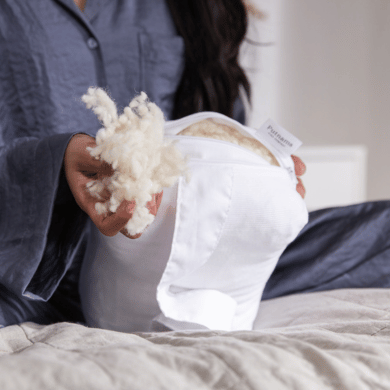
Designed and handmade in Devon, these specialist wedges specifically follow the natural shape of your legs. Providing maximum support while effectively reducing pressure on your heels and knees. Here is why they work so well:
- Clinical Positioning: Thye safely elevate your ankles above your heart, utilising gravity to naturally encourage lymphatic drainage and improve venous return.
- Lasting Support: Made with high-quality CertiPUR foam (with a memory foam option available), they will not collapse in the middle of the night like standard pillows do.
- Convenience: They come with a soft, breathable poly-cotton cover that is easily removable and fully washable.
- Trusted Quality: Backed by a 2-year guarantee and over 4,300+ verified customer reviews, they are a proven comfort solution for those dealing with oedema, varicose veins, or general leg fatigue.

Swollen Feet at Night FAQs
What not to eat if you have swollen feet?
Avoiding salty and processed foods as well as excessive caffeine and alcohol can help reduce swelling in the feet. Staying hydrated and incorporating anti-inflammatory foods such as fruits, vegetables, and healthy fats into your diet may also be beneficial.
It's best to consult with a healthcare professional for specific dietary recommendations based on your individual needs.
How do you unswell your legs fast?
While there is no quick fix for reducing swelling in the legs, there are a few things you can do to help alleviate discomfort and promote circulation.
Elevating your feet above heart level and gently massaging the affected areas can encourage fluid drainage. Wearing compression socks or taking regular breaks to move and stretch your legs may also provide relief.
It's important to address any underlying health issues that may be causing swelling, so make sure to consult with your doctor if it persists or becomes more severe. Remember, consistency is key – incorporating healthy habits into your daily routine will have a more lasting impact on reducing leg swelling than one-off quick-fix remedies.
What vitamin removes swelling in the feet and legs?
If you're experiencing leg swelling, adding certain vitamins and minerals to your diet may help reduce the inflammation and discomfort.
Vitamin B6 has been shown to have anti-inflammatory properties, while vitamin C can improve blood flow and reduce fluid retention. Magnesium is also beneficial for reducing swelling and improving circulation.
To incorporate these vitamins into your diet, try incorporating more fruits and vegetables like bananas, avocados, spinach, peppers, and citrus fruits. You can also take supplements or consult with a nutritionist for personalised recommendations based on your specific needs.
Keep in mind that while vitamins can be helpful in reducing leg swelling, they should not be used as a replacement for medical treatment if you have an underlying health condition.
See also - Restless Legs at Bedtime: The Hidden Role of Sleep Position
Expert Tips for Managing Swollen Legs
Now that we've covered some ways to reduce leg swelling in the moment, let's discuss some expert tips for managing swollen legs in the long term.
1. Stay Hydrated
One common cause of leg swelling is dehydration. When your body doesn't have enough fluids, it may hold onto sodium and other electrolytes, leading to fluid retention and bloating. Make sure to drink plenty of water throughout the day to prevent this from happening.
2. Elevate Your Legs
Elevating your legs above heart level can help reduce swelling by allowing fluid to drain back towards the heart. Try using a bed wedge at night for a consistent and stable platform.
3. Exercise Regularly
Staying active can improve circulation and prevent blood from pooling in your legs, which can contribute to swelling. Low-impact exercises like walking, swimming, and cycling are great options for those with swollen legs.
4. Watch Your Sodium Intake
High levels of sodium in the diet can lead to water retention and bloating.
Aim to limit processed foods and salt-heavy meals, and try seasoning your food with herbs and spices instead. (Hidden salt - NHS)
7. Wear Compression Socks
Compression socks provide gentle pressure on the legs to improve circulation and prevent swelling. They can be especially helpful for those who spend long periods of time standing or sitting.
Additional Tips:
- Avoid crossing your legs while sitting, as this can restrict blood flow.
- Take breaks to stretch and walk around if you have a sedentary job.
- Elevate your legs when sitting or resting, as this can help reduce swelling.
By implementing these tips into your daily routine, you can improve your energy levels and overall well-being.
Remember, small changes over time lead to big results. (Try the 5-minute office workout)
So don't get discouraged if you don't see immediate changes; stay consistent and trust the process. And most importantly, listen to your body. If certain exercises or foods don't work for you, that's okay!
See also - The Psychology of Comfort: Why Feeling Safe Helps You Sleep Deeper
Take Control of Your Comfort
You do not have to accept heavy, tired legs as just a normal part of getting older. By understanding how fluid builds up and taking proactive steps to support your circulation at night, you can protect your metabolic health and keep your energy levels high.
Pairing a low-sodium diet and regular daily movement with dedicated leg elevation will transform how your lower body feels. Elevate your evening routine today with a quality support bed wedge and give your legs the rest and recovery they truly deserve.


From the blog
View all




Leave a comment